Fall Detection and Communication Device for Paralytic Patients
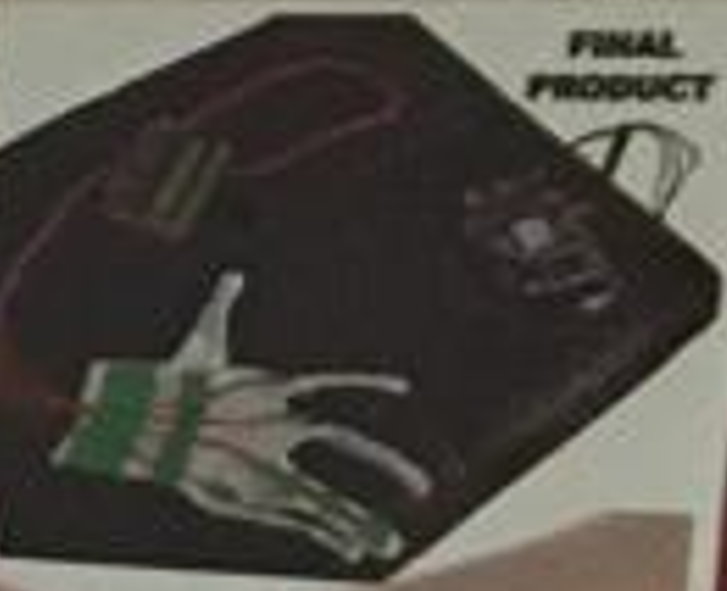
This project was designed to assist paralytic patients in both communicating their needs and ensuring safety through fall detection.
🩺 Smart Assistive Device for Paralytic Patients
team: Naitik Gupta, Anushree Jain, Kaartik Issar, Dr. Lele(Guidance)
💡 Overview
This project was designed to assist paralytic patients in both communicating their needs and ensuring safety through fall detection. It consists of two main subsystems:
- Glove-Based Communication Interface
- Fall Detection Belt System
By combining sensor-based gesture recognition with motion sensing and real-time communication modules, the system empowers patients to signal caretakers and automatically alert them in case of falls.
✋ Part 1: Glove-Based Communication System
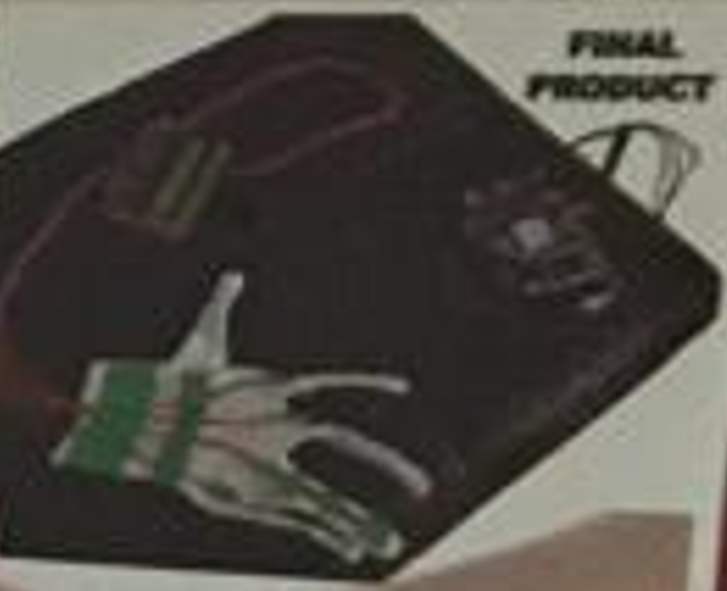
A custom-built wearable glove allows patients with limited mobility to flex their fingers and trigger pre-programmed commands that convey their needs.
🔧 Components:
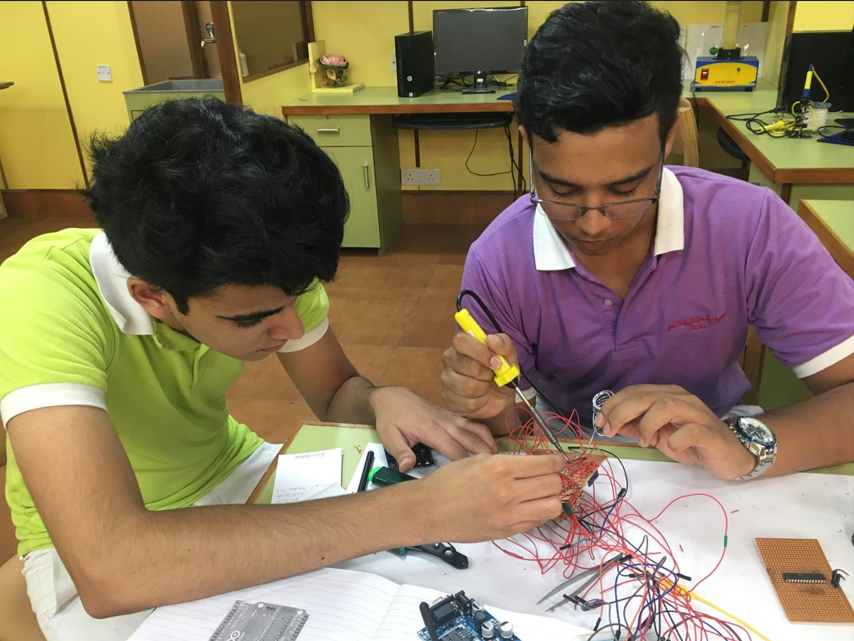
- Flex Sensors – Attached to each finger to measure bending.
- Arduino Microcontroller – Central controller that reads sensor data.
- Bluetooth / Wi-Fi / GSM Modules – For transmitting messages to caretakers.
🧠 Functionality:
- Finger gestures are mapped to specific commands like:
- 💧 Requesting water
- 🍽️ Indicating hunger
- 🚽 Needing to use the bathroom
- 📺 Watching or changing TV
- These gestures are interpreted by the Arduino and sent as messages wirelessly to connected caretakers or smart displays.
🛡️ Part 2: Fall Detection Belt
A wearable belt system was developed to detect falls using motion analysis.
🔧 Components:
- Accelerometer (e.g., MPU6050) – Detects sudden drops or changes in acceleration.
- Gyroscope – Measures angular motion to differentiate between a fall and regular movement.
- Arduino – Processes sensor data in real-time.
- Communication Modules:
- Wi-Fi
- Bluetooth
- GSM (SIM800) – For cellular alerts
🧪 Testing Method:
- The device was mounted on a test rig (e.g., a box) and dropped to simulate a fall.
- Observed sharp changes in acceleration (e.g., from ~1g to 0g) and angular displacement were used to trigger fall events.
📡 Communication Stack
The entire system supports multi-mode communication to ensure alerts are reliably delivered:
- Bluetooth – Short-range personal alerting
- Wi-Fi – Home or hospital network alerts
- GSM/SMS – Long-range alerts via cellular network
📌 Summary
| Feature | Description |
|---|---|
| Communication | Glove gestures via flex sensors |
| Safety | Automatic fall detection from motion sensors |
| Microcontroller | Arduino (acts as the brain for both systems) |
| Sensors | Flex sensors, accelerometer, gyroscope |
| Connectivity | Wi-Fi, Bluetooth, GSM modules |
🚀 Future Improvements
- Machine learning model to adapt to personal gesture patterns
- Integration with smart home systems or hospital dashboards
- Rechargeable battery design with power optimization
- Miniaturized wearable form factor